
Your Complete Kashmir Travel Guide for 2026
Shamrock Journeys | Your Trusted Guide to Paradise on Earth
Welcome to your most comprehensive guide for exploring Kashmir in 2026. Known globally as “Paradise on Earth,” Kashmir is a mesmerizing blend of snow-dusted Himalayan peaks, serene mirror-like lakes, lush flower-filled valleys, and a culture steeped in timeless warmth. This isn’t just another destination, it’s a living postcard that deserves a place at the top of your travel bucket list. At Shamrock Journeys, we’ve spent years crafting journeys that go beyond the surface, and this guide is packed with everything you need: expert local insights, the best places to visit, hidden gems, and practical tips for a seamless, unforgettable adventure. Whether you’re a thrill-seeker, a culture enthusiast, a honeymooner, or a family looking for a unique holiday, this guide is your first step. Let’s begin planning your dream Kashmir tour package to this captivating paradise!
📅 Your 2026 Kashmir Trip Planner: When to Visit for the Perfect Experience
When is the best time to visit Kashmir? The beautiful answer is that there is no single “best” time—it depends entirely on the experience you crave. Each season in Kashmir transforms the landscape into a completely different world, offering unique adventures and vistas. Planning your travel dates is the most important first step to ensure your trip matches your dreams.
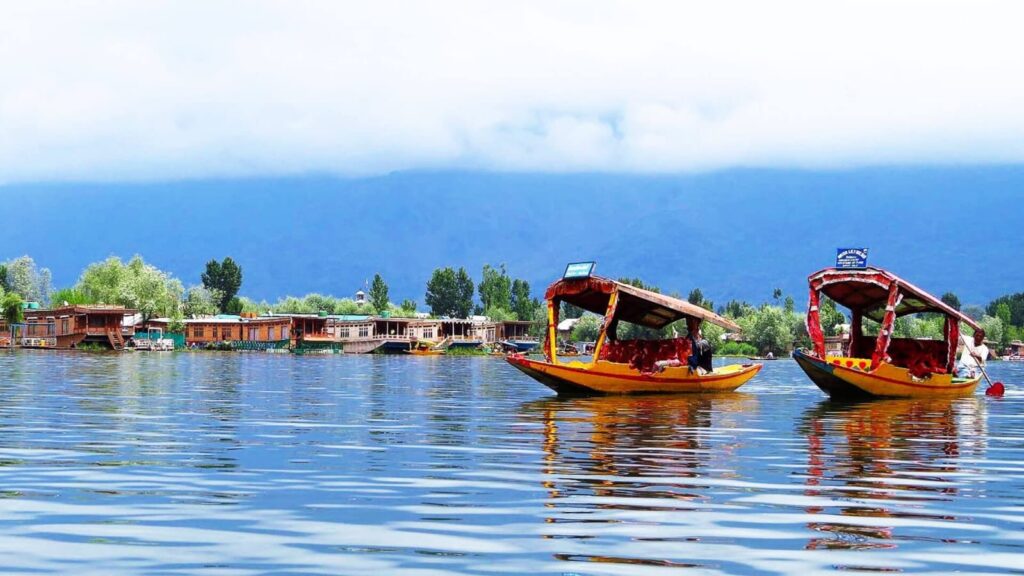
For the classic “Kashmir” experience with pleasant weather and blooming gardens, the peak season runs from April to early June. During these spring and early summer months, the valleys come alive with colorful flowers, the weather is comfortably cool, and all attractions are fully accessible. It’s the ideal time for iconic activities like Shikara rides on Dal Lake, visiting the tulip gardens, and exploring the Mughal gardens in full bloom. 🍂 Autumn (September to November) is a close second favorite, especially for photographers and peace-seekers. As the majestic Chinar trees turn fiery shades of red and gold, the entire region is set ablaze with color, offering some of the most stunning photographic opportunities on the planet.
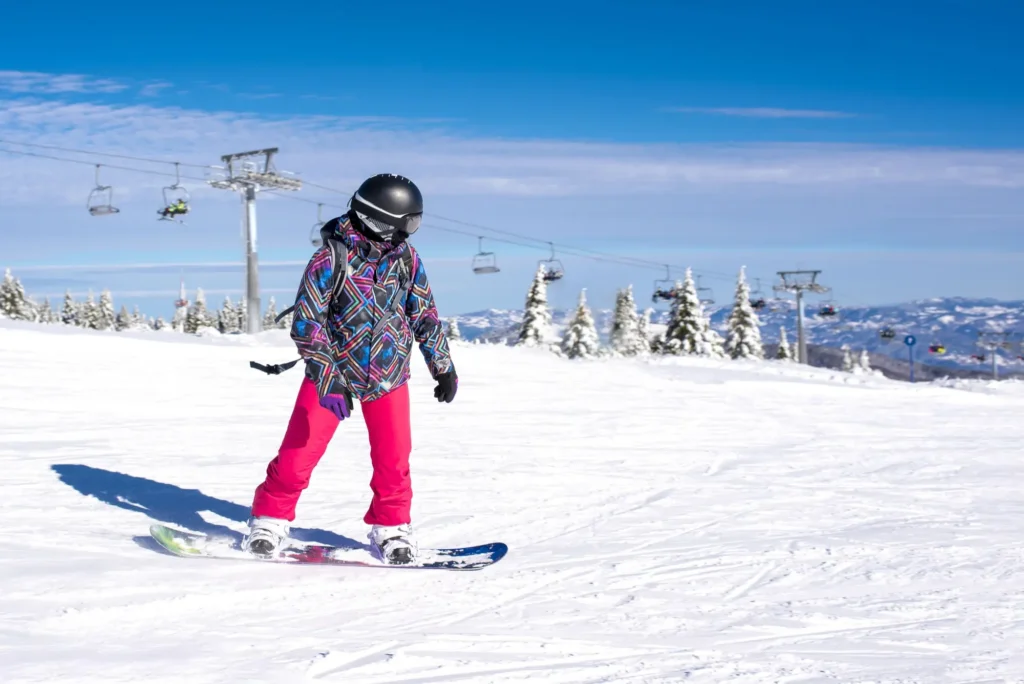
If you’re chasing winter magic, then December to February is your window. This is when Kashmir becomes a true winter wonderland. The world-famous ski resort of Gulmarg is at its peak, with perfect powdery slopes for skiing and snowboarding. The frozen Dal Lake and snow-covered Mughal gardens present a serene, almost surreal beauty. Just be prepared for colder temperatures and potential travel delays due to snowfall. For the adventurous traveller looking to avoid crowds and discover a lush, green Kashmir, the monsoon period of July and August can be rewarding, though you should expect occasional rain showers.
🗺️ Must-Visit Destinations in Kashmir: From Iconic Spots to Hidden Gems
Kashmir is a treasure trove of diverse destinations, each with its own unique character and charm. Your itinerary should be a balanced mix of the world-famous icons and the peaceful, lesser-known retreats that capture the true soul of the region.
🏙️ Srinagar: The Heartbeat of Kashmir
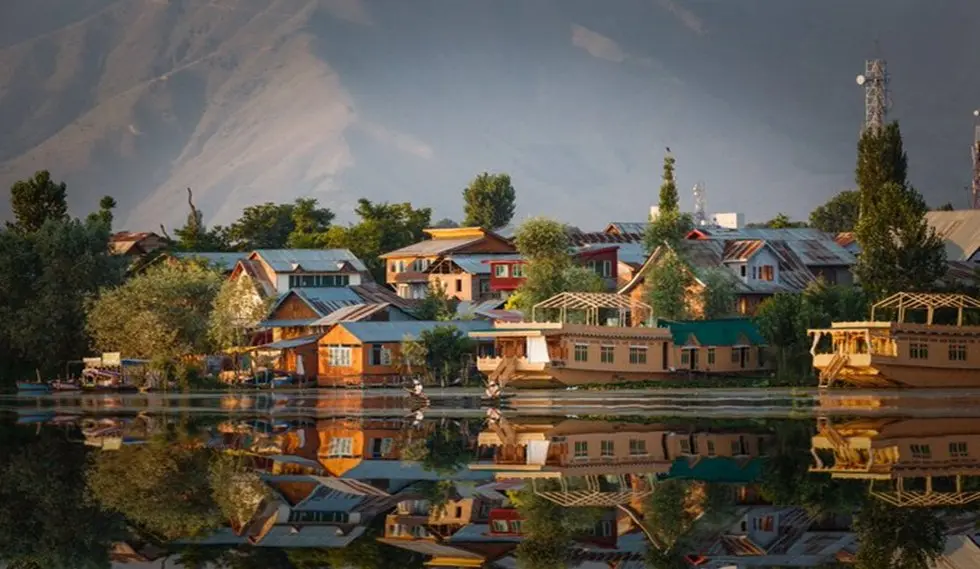
No trip is complete without experiencing Srinagar. As the summer capital, this city is the vibrant cultural and historical center of Kashmir. The iconic Dal Lake is its crown jewel. Here, life happens on the water. We recommend staying on a traditional houseboat—a truly unique experience offered by Shamrock Journeys—where you’ll wake up to gentle waves and stunning mountain views. A leisurely Shikara ride through the floating vegetable gardens and past local markets is essential. Don’t miss the breathtaking Mughal Gardens like Shalimar Bagh and Nishat Bagh, exquisite examples of Persian-style landscaping built for royalty. For a touch of local life, explore the old city and lose yourself in the aromatic lanes of the spice market.
🏔️ Gulmarg: The Meadow of Flowers and World-Class Adventure
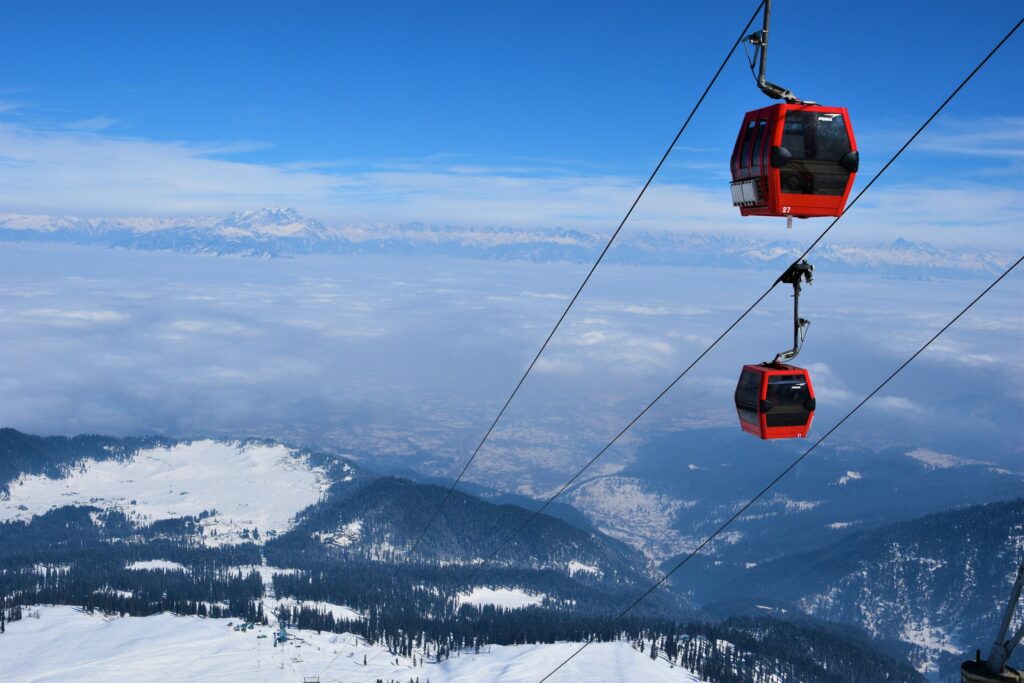
A short drive from Srinagar transports you to Gulmarg, which literally means “Meadow of Flowers.” In summer, it’s a haven for golfers on one of the world’s highest green courses and for trekkers exploring the surrounding hills. But Gulmarg truly shines in winter. It transforms into India’s premier ski resort, with slopes suitable for both beginners and experts. The Gulmarg Gondola, one of the highest cable cars in the world, is a must-do in any season. The two-stage ride takes you up to over 13,000 feet for panoramic, jaw-dropping views of the snow-clad Himalayas, including peaks across the border like Nanga Parbat.
💎 Pahalgam & Sonamarg: Valleys of Serenity
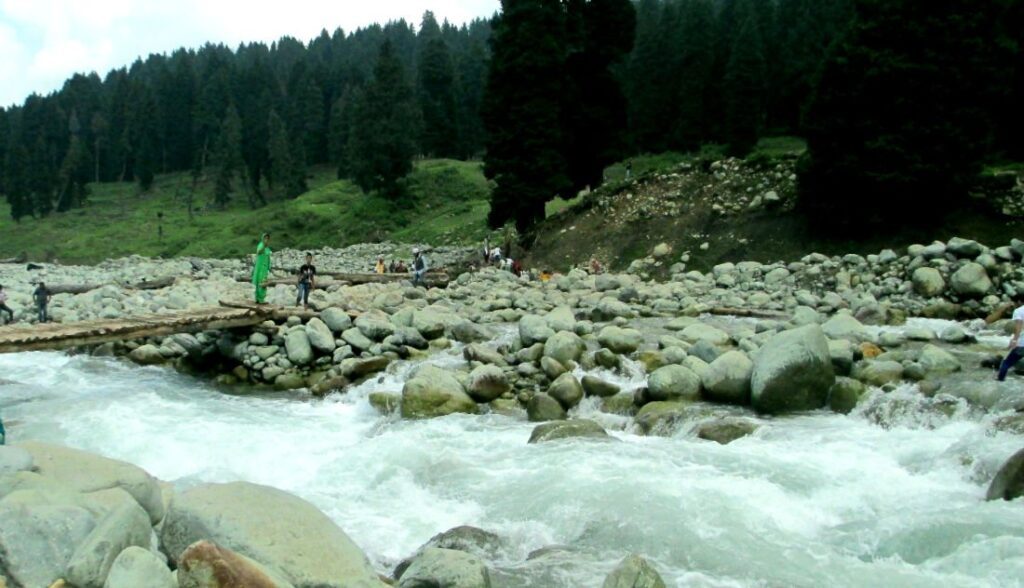
Often called the “Valley of Shepherds,” Pahalgam is a serene escape on the banks of the Lidder River. It serves as the base camp for the holy Amarnath Yatra, but its peaceful meadows, pine forests, and opportunities for trout fishing and gentle walks make it a perfect relaxing counterpoint to busier spots. 📸 Betaab Valley, named after a Bollywood film shot there, is a picturesque highlight nearby.
🏔️ Sonamarg, or “Meadow of Gold,” is your gateway to high-altitude Himalayan beauty. It’s the starting point for the epic Kashmir Great Lakes Trek and a place where you can walk on glaciers like Thajiwas. The drive from Srinagar to Sonamarg along the Sindh River is arguably one of the most beautiful road journeys in India.
🌿 Doodhpathri: The Valley of Milk
If you seek tranquility away from the more frequented tourist trails, Doodhpathri is a hidden gem waiting to be discovered. Known as the “Valley of Milk,” this breathtaking meadow in the Budgam district offers an untouched slice of Kashmiri paradise.
A Landscape of Untamed Beauty
Situated at an altitude of about 8,957 feet, Doodhpathri is a sprawling alpine valley just 42 km (about a 2-hour drive) from Srinagar. The landscape is characterized by vast emerald-green meadows that roll out like a soft carpet, dotted with wildflowers and crisscrossed by milky-white streams. The name “Doodhpathri” is derived from the milky appearance of the water in the Shaliganga and Doodhganga rivers that flow through it.
What to Experience in Doodhpathri
This destination is perfect for those who wish to immerse themselves in nature’s quietude. You can enjoy picnics on the grassy slopes, go for horse riding across the meadows, or simply wander along the gentle walking trails to discover hidden waterfalls and serene spots. Unlike Gulmarg, which is developed for adventure sports, Doodhpathri offers a more peaceful and raw natural experience. The area is also a trekker’s paradise, with trails leading deeper into the Pir Panjal range, passing through coniferous forests and towards alpine lakes like Damamsar and glaciers like Ashtaar. Birdwatchers can look for species like the Himalayan Monal, and on clear nights, the lack of light pollution makes for spectacular stargazing.
Planning Your Visit
Best Time to Visit: The ideal time is from April to July when the meadows are blanketed in blooming flowers. For those who wish to see it transformed into a winter wonderland, December to January is the time for snow, with opportunities for basic skiing and snow play.
Important Note on Facilities: It is crucial for travelers to know that Doodhpathri is still an evolving destination. There are no permanent hotels or a full-fledged market in the immediate area. While local vendors may sell tea and snacks, it is highly recommended that you carry your own food and water. The road condition from the main highway to Doodhpathri can be rough, so prepare for a slow and bumpy ride for the last stretch. Most visitors plan this as a day trip from Srinagar, returning to the city for accommodation.
Nearby Attractions: On your drive from Srinagar, you can make scenic stopovers at Tangnar (a forested gorge), Mujpathri (a small village by the river), and Palmaidan (a ground of huge ancient boulders)
🛐 Spiritual Sojourn in Katra: Journey to Mata Vaishno Devi
For many travelers, a visit to Kashmir is both a scenic and a spiritual pilgrimage. The town of Katra serves as the sacred gateway to one of India’s most revered shrines: the holy cave temple of Shri Mata Vaishno Devi.
The Pilgrimage Experience
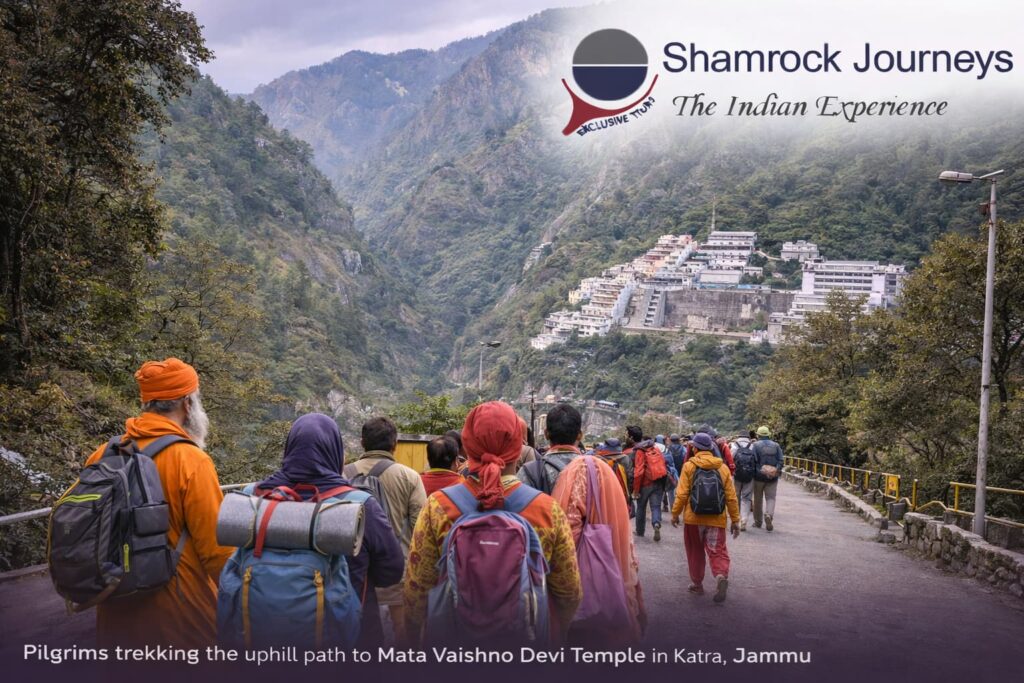
The journey from Katra to the temple, located at an altitude of 5,200 feet on the Trikuta Hills, is a profound trek of approximately 12-13 kilometers. This path is smooth with gradual slopes and steps, lined with facilities for rest and refreshment. While the walk typically takes 5-6 hours, the duration can vary based on your pace. For those who cannot undertake the full trek, several convenient options are available. You can opt for a pony ride, be carried in a palanquin (palki), or even book a scenic helicopter service from Katra to the Sanjichhat helipad, which is about a 30-minute walk from the main temple. The pilgrimage is managed by the efficient Shri Mata Vaishno Devi Shrine Board, which ensures a smooth and organized experience for the millions of devotees who visit each year.
Key Stops and the Holy Cave
The trek itself is a spiritual journey with important stops. It begins at Banganga, a sacred stream where devotees often take a symbolic dip. Further along the path is Charan Paduka, where you can see the imprinted footprints of the Goddess. The halfway point is marked by Adhkuwari, a significant cave where Mata Vaishno Devi is believed to have meditated for nine months. The culmination is the Holy Cave (Bhawan), where the divine presence is worshipped in the form of three natural rock formations called Pindies, representing the Goddess’s energies. The pilgrimage is considered complete only after paying respects at the Bhairav Nath Temple, located about 1.5 km further up. You can trek there or take the fully operational ropeway (cable car) from near the Bhawan, which makes the journey in just 5 minutes.
Reaching Katra: Katra is well-connected. The nearest airport is in Jammu (IXJ), about 50 km away. Katra also has its own railway station, Shri Mata Vaishno Devi Katra (SVDK), with trains from major Indian cities. Regular buses and taxis also ply from Jammu and other nearby cities.
🏔️ Kashmir & Beyond: Your Curated Indian Journey with Shamrock Journeys
Embark on an unforgettable journey with our handcrafted Kashmir tours with Agra, seamlessly blending Himalayan serenity with Mughal grandeur. As experts in India tour packages, we at Shamrock Journeys design experiences that go beyond the ordinary. Whether you’re seeking the perfect Kashmir honeymoon tours amidst pristine meadows and tranquil houseboats or comprehensive cultural tours of India that include the iconic Taj Mahal, our north India tour packages offer the perfect blend of romance, history, and natural splendor. Let us guide you through these majestic destinations, crafting a personalized destination India itinerary that captures the soul of this incredible land, creating memories to last a lifetime. ✨
✈️ Planning Your Kashmir Trip: A Step-by-Step Guide
A smooth Kashmir trip hinges on smart, informed planning. Here’s a breakdown of the key logistics to consider for your 2026 journey.
🛬 Getting to Kashmir and Around
Your journey will likely begin at Sheikh ul-Alam International Airport (SXR) in Srinagar, which has good connectivity from major Indian cities like Delhi, Mumbai, and Bangalore. An alternative is to take a scenic road trip via the famous Jammu-Srinagar Highway, though this is a longer commitment. For getting around, hiring a private cab with a local driver is the most convenient, safe, and recommended option. They know the roads, conditions, and can double as informal guides. Shamrock Journeys specializes in arranging vetted, reliable drivers and comfortable vehicles as part of our travel packages. While local shared taxis and buses are available, they offer less flexibility for exploring at your own pace.
🏨 Where to Stay: From Houseboats to Luxury Resorts
Kashmir offers accommodation for every taste and budget, which is a key part of the experience. For a truly unique stay, the heritage houseboats on Dal and Nigeen Lakes are unparalleled. They range from basic to luxurious, often featuring intricate woodwork (Khatamband ceilings) and personalized service. On land, you can find everything from charming homestays with local families, which we at Shamrock Journeys highly recommend for cultural immersion, to well-appointed hotels in Srinagar, and luxurious alpine-style resorts in Gulmarg and Pahalgam. Booking well in advance is crucial, especially for the peak seasons (April-June and December-January).
🍽️ Savoring Kashmiri Cuisine: A Flavourful Journey
Your culinary journey is a highlight in itself. Kashmiri cuisine, known as Wazwan, is a rich, aromatic feast often centered around lamb, rice, and a blend of spices like fennel, cardamom, and dried ginger. Must-try dishes include Rogan Josh (a fragrant curry), Gushtaba (minced meatballs in yogurt gravy), and Yakhni (a yogurt-based curry). Don’t leave without trying Kahwa, the traditional saffron-infused green tea with almonds, often served in a Samovar. For vegetarian visitors, dishes like Dum Aloo and Nadru Yakhni (lotus stem in yogurt sauce) are delicious. We encourage you to be adventurous and try a authentic multi-course Wazwan feast for a truly memorable experience.
✅ Essential Kashmir Travel Tips for a Hassle-Free Holiday
A little preparation goes a long way in ensuring your trip is safe, enjoyable, and respectful. Here are Shamrock Journeys’ top tips for travelling in Kashmir.
Permits and Documents: Domestic Indian tourists do not require a special permit for general tourism in Srinagar, Gulmarg, Pahalgam, or Sonamarg. However, carry a valid government-issued photo ID (like an Aadhar card, Passport, or Voter ID) at all times, as there are checkpoints. For certain restricted areas near the borders (like some parts of Ladakh accessible from Sonamarg), foreign nationals and sometimes Indian nationals require a Protected Area Permit (PAP), which can often be arranged through registered travel agents or on arrival in some cases. Always check the latest requirements before your trip.
Packing Smart: Kashmir’s weather can be unpredictable. Pack in layers. For summer, include light woolens, a good jacket for evenings, comfortable walking shoes, sunscreen, and sunglasses. For winter, heavy woolens, a down jacket, thermals, waterproof boots, gloves, and a warm hat are non-negotiable. Regardless of season, pack any necessary prescription medications.
Stay Healthy: Drink only bottled or purified water. Be cautious with street food; opt for freshly cooked, hot items.